My practice positions art and curating as a space for sensory exploration, where artistic experiences become opportunities to reflect on how we perceive, feel, and make sense of the world.
At the centre of my practice is the construction of experiential conditions within visual art where perception becomes active rather than passive.
Art becomes a mechanism for encountering what resists immediate articulation, states of affect, fragmentation, intensity, and stillness that cannot be fully resolved into language.
The aim is not interpretation, but exposure: to create situations where experience is felt through the body before it is understood by the mind.
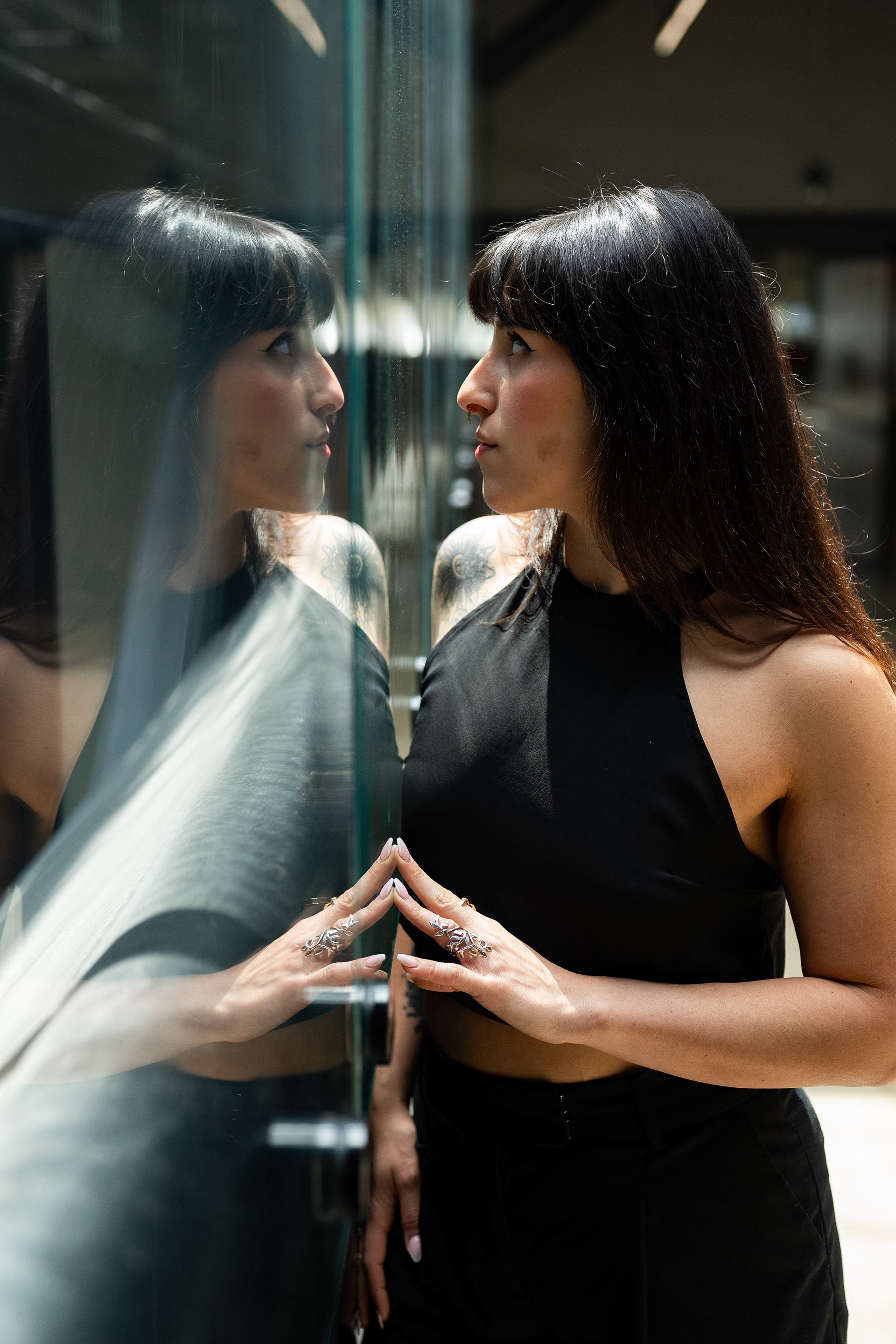
Photo by Paul Hills, Tate Modern, London, 2026
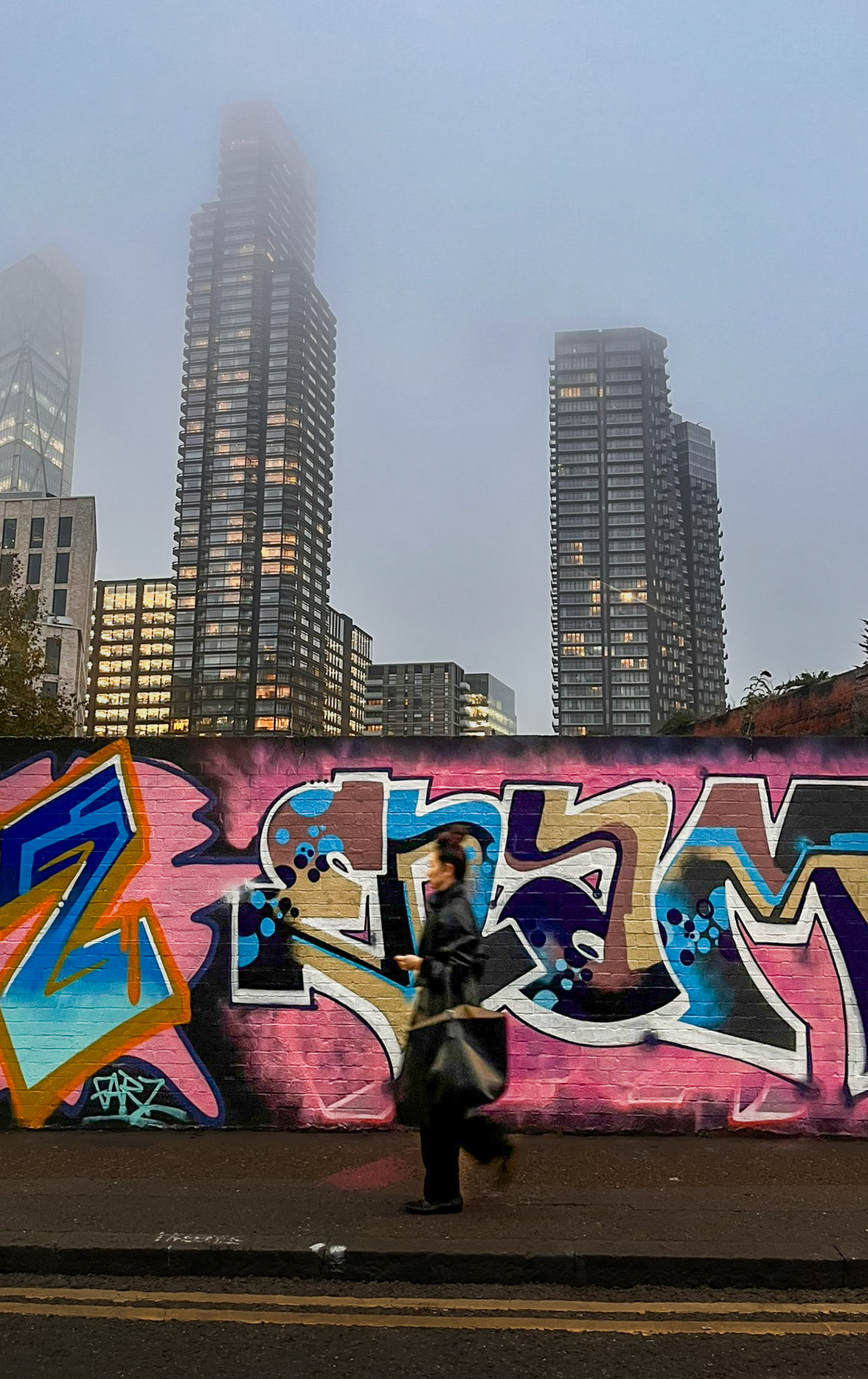
One step away, London, By Marina Meo
- Body / Perception / Sensory Field -
The body operates as a terminal of reception and memory.
Perception is formed through layered sensory inputs within visual art, image, sound, material, space, and presence, each shaping emotional and cognitive states in immediate and often unresolved ways.
Perception is formed through layered sensory inputs within visual art, image, sound, material, space, and presence, each shaping emotional and cognitive states in immediate and often unresolved ways.
Psychology, psychoanalysis, phenomenology, neuroscience, and theories of art therapy inform this field of attention.
Not as fixed frameworks, but as overlapping ways of reading how experience is formed, stored, and disrupted through encounters with visual art.
Not as fixed frameworks, but as overlapping ways of reading how experience is formed, stored, and disrupted through encounters with visual art.
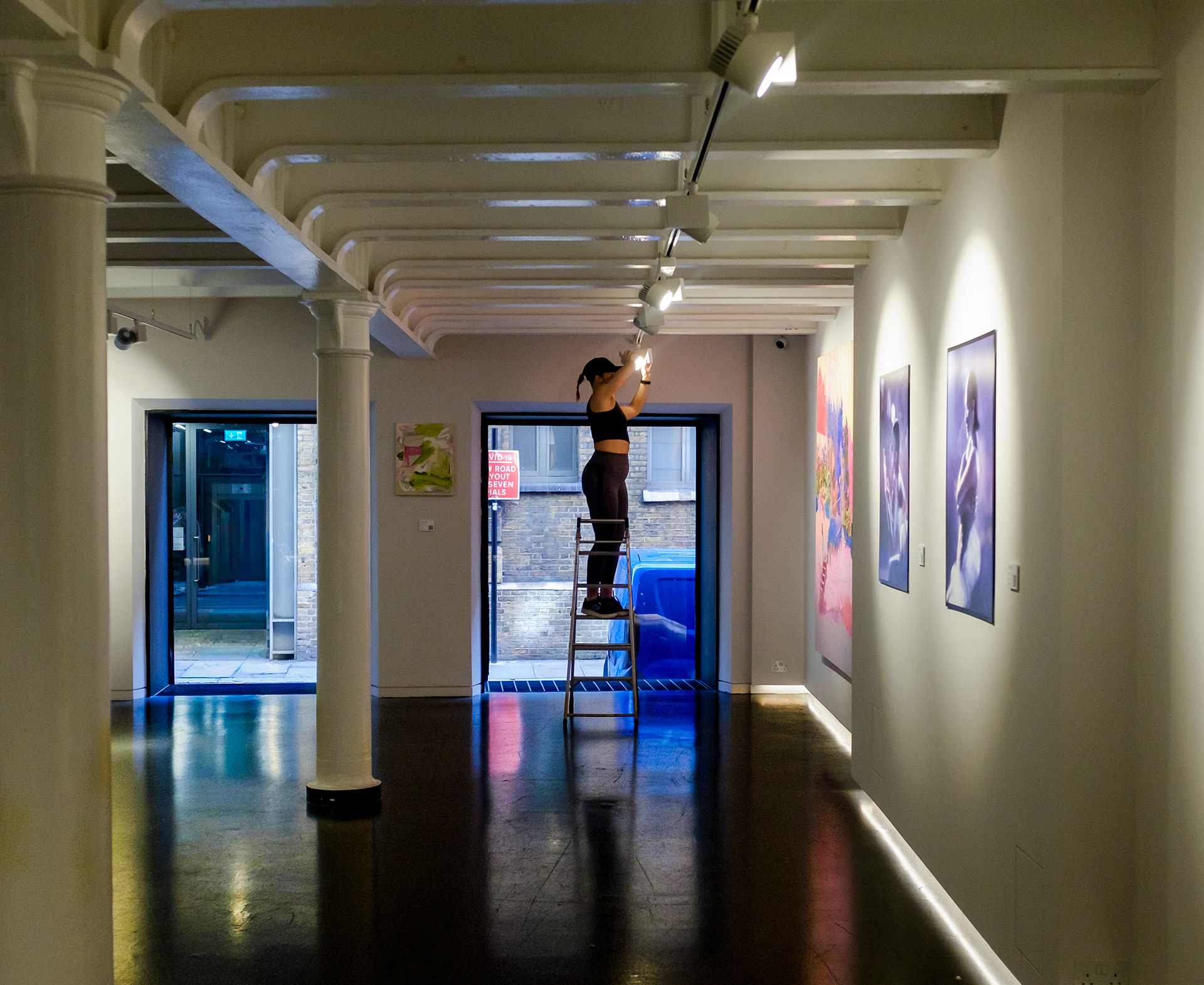
Installation for KAEÇEN - Perfect Imperfection - Exhibition and Launch Event, The Stables – Unit X, London. Photographer unkown.2023
- Methodology -
Research, conversation, experimentation, and making form the structur of my practice.
Curatorial work becomes an environment constructed through relations rather than objects alone. Each project builds conditions where meaning is not delivered, but produced through participation, attention, and duration.
Curatorial work becomes an environment constructed through relations rather than objects alone. Each project builds conditions where meaning is not delivered, but produced through participation, attention, and duration.
Exhibitions and workshops function as spatial and psychological
systems, open structures where perception is tested rather than explained.
systems, open structures where perception is tested rather than explained.
"The work of inhabiting space involves a dynamic negotiation between what is familiar and unfamiliar, such that it is still possible for the world to create new impressions on the body, involving the mark of unfamiliar impressions, which in turn reshapes the body surface."
Ahmed, Sara. Queer Phenomenology: Orientations, Objects, Others. Durham, NC: Duke University Press, 2006.
Ahmed, Sara. Queer Phenomenology: Orientations, Objects, Others. Durham, NC: Duke University Press, 2006.
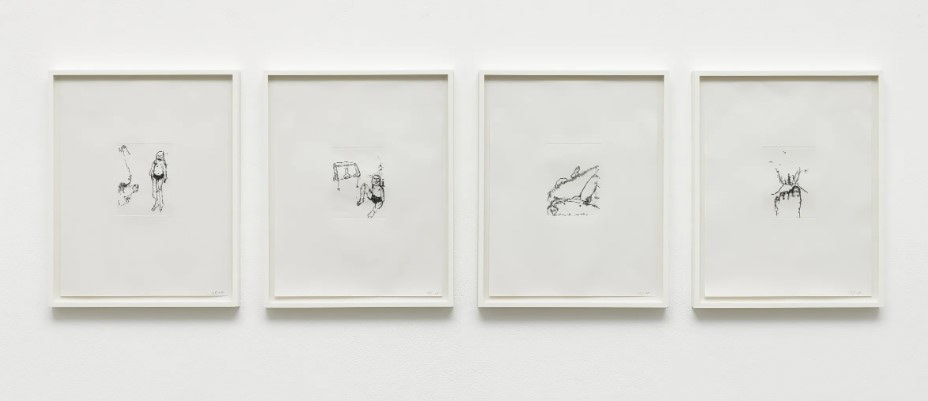
Tracey Emin, Illustrations From Memory 1994 - 2007
- Memory / Sensory Knowledge / Transmission -
Memory forms an unstable foundation. It shifts with each return, continually rewritten by the present.
I am interested in memory not as preservation, but as practice: a form of sensory knowledge transmitted through touch, gesture, craft, storytelling, repetition, and shared experience. These embodied forms of learning activate the senses and create relationships between individuals, communities, and their environments.
The rise of digital culture has altered many of these modes of transmission. Information becomes increasingly accessible, while sensory engagement risks becoming diminished. My work explores how visual art and curatorial practice can create spaces that resist this separation, reactivating attention, embodied awareness, and forms of knowledge rooted in lived experience.
The tension between what is remembered and what is forgotten, what is felt and what is mediated, shapes the conceptual landscape of the work.
Sensory Atmosphere / Psychological Space
in Visual Art -
in Visual Art -
Ambiguity replaces clarity.
Contradiction replaces resolution.
Uncertainty becomes structural rather than incidental.
Contradiction replaces resolution.
Uncertainty becomes structural rather than incidental.
The work is concerned with how visual art environments shape emotional states.
How attention is guided, how tension accumulates, how perception shifts between focus and diffusion.
How attention is guided, how tension accumulates, how perception shifts between focus and diffusion.
Contemporary Condition -
Ecological instability, digital saturation, and accelerated visual culture form the background conditions of this work.
Within this context, visual art becomes a way to slow perception, reintroduce embodied awareness, and create friction against automatic ways of seeing and responding.
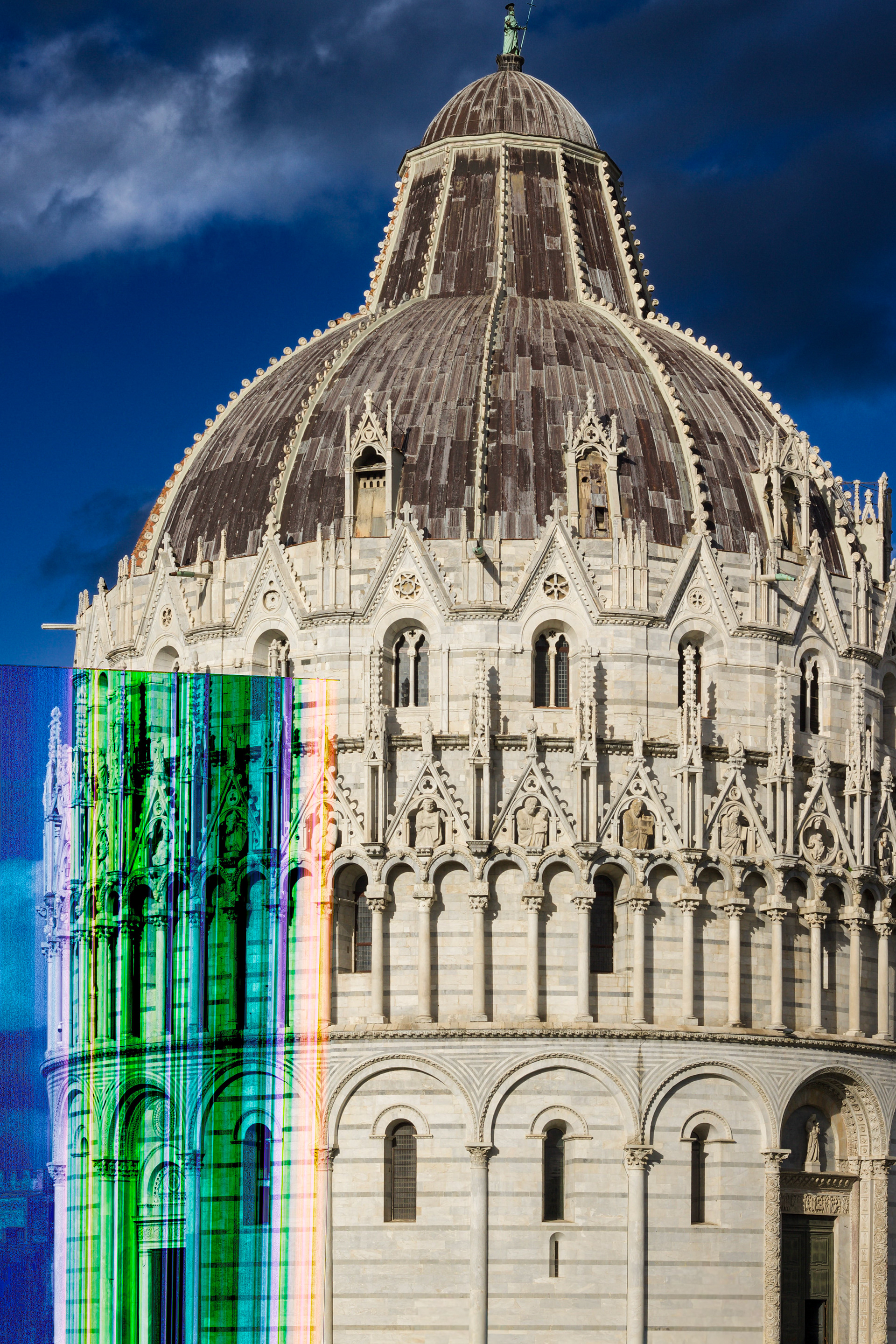
Machinary Glitch Pisa, Canon EOS 760D, by Marina Meo, 2022